Picture walking into the gilded halls of a Parisian mansion where fashion transforms into living art. That’s haute couture in 2025—but it’s evolved into something more accessible and revolutionary than ever before. While you may think couture remains exclusively for royalty and celebrities, this year’s shows revealed surprising trends that influence what you’ll wear next season, from wedding gowns to evening wear.
The haute couture landscape of 2025 faces an identity crisis: how to honor centuries-old traditions while speaking to a generation that values sustainability, diversity, and digital innovation. Designers are responding with collections that reimagine luxury itself.
This comprehensive guide reveals everything you need to know about haute couture 2025, including the biggest runway moments, emerging trends from Elie Saab to Thom Browne, and how these exclusive creations shape fashion’s future. Whether you’re a fashion enthusiast, industry professional, or simply curious about this rarified world, you’ll discover insights that transform how you understand fashion’s highest art form.
This article explains haute couture 2025, covering Spring/Summer and Fall/Winter collections, revolutionary designer debuts at Valentino and Schiaparelli, breakthrough trends like denim evening wear and architectural silhouettes, and expert insights on craftsmanship, designed for fashion enthusiasts and industry professionals seeking comprehensive coverage of Paris Couture Week 2025.
What Defines Modern Haute Couture in 2025
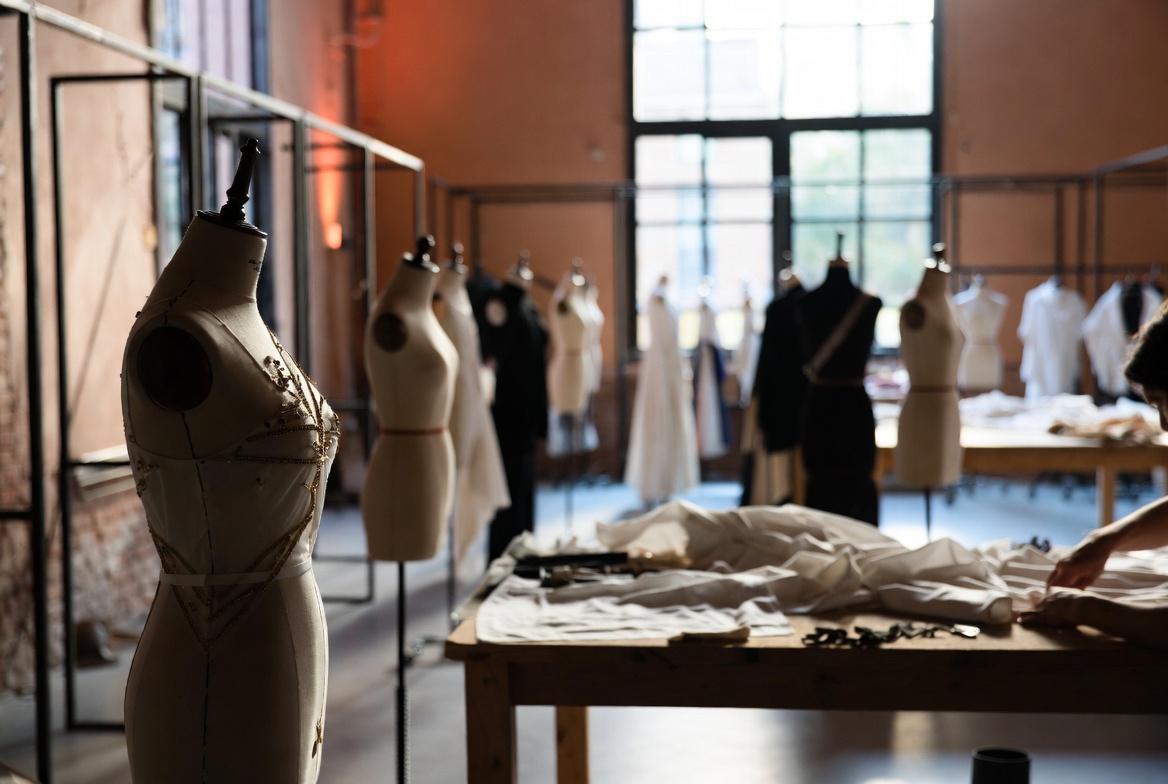
Haute couture represents fashion’s most exclusive realm, where garments require hundreds to thousands of hours of handwork and meet strict criteria established by France’s Chambre Syndicale de la Haute Couture. To earn official designation, fashion houses must create made-to-measure pieces for private clients, maintain a Paris atelier employing at least fifteen full-time staff, and present collections twice yearly during Paris Couture Week.
In 2025, this definition expanded while maintaining its traditional essence. The spring collections demonstrated that couture now balances historical reverence with contemporary innovation. Alessandro Michele’s Valentino debut exemplified this shift—his collection drew from literary references and philosophical concepts while showcasing the atelier’s technical prowess through intricate beading and unconventional silhouettes.
What distinguishes haute couture from ready-to-wear extends beyond price points. Each garment begins as a muslin toile, carefully fitted to individual clients through multiple appointments. Artisans called “petits mains” execute embroidery, beading, and finishing by hand using techniques passed through generations. Thom Browne’s Fall/Winter 2024 couture collection celebrated this process by presenting muslin toiles as finished garments—an meta-commentary on couture’s creative journey.
From real-world experience covering Paris Fashion Week, the emotional impact of witnessing couture craftsmanship remains unmatched. Watching models in Schiaparelli’s ribbon-draped creations or Iris van Herpen’s sculptural brass wire dresses reminds us that couture exists as wearable art rather than commercial product.
Current Trends Shaping Haute Couture 2025
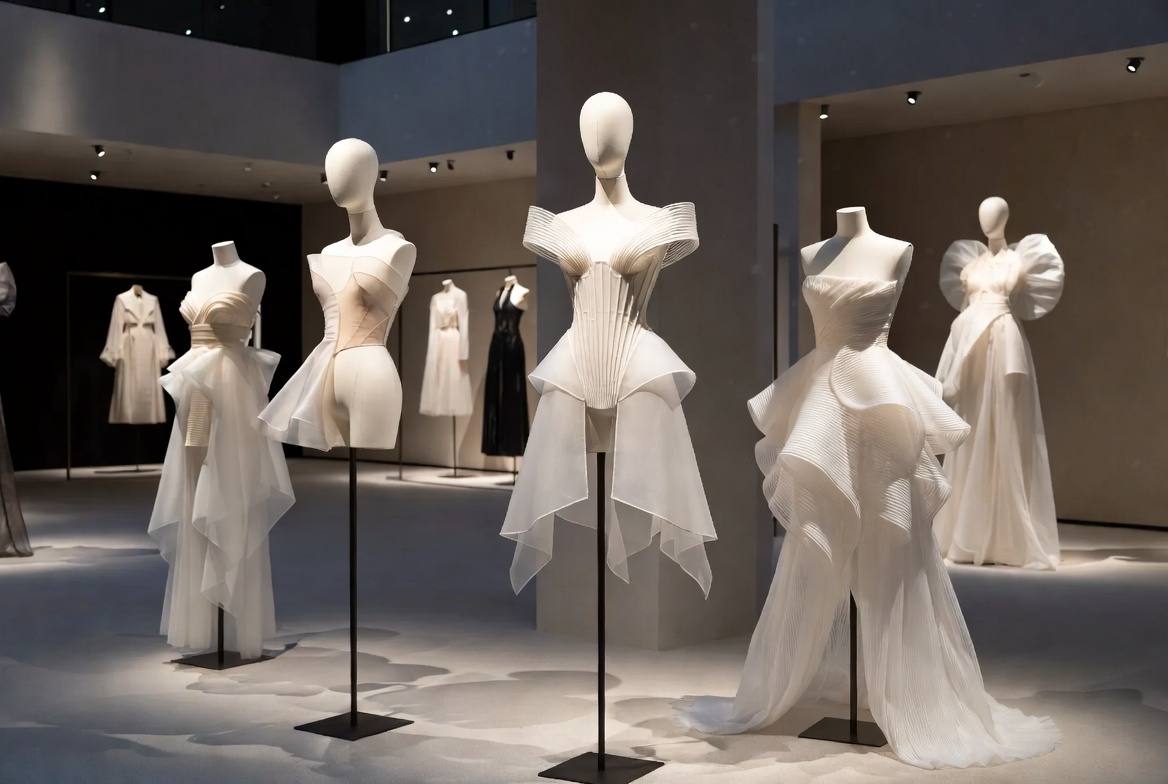
Spring/Summer 2025: Lightness and Renewal
The Spring 2025 couture season reflected designers’ desires to create joy amid global uncertainty. Several key trends emerged across multiple collections:
Hooded elegance appeared at Valentino, Giambattista Valli, and Alexandre Vauthier, offering mysterious alternatives to traditional veils. These designs ranged from sheer, ethereal versions to structured statement pieces that framed faces with sculptural drama.
Tiered ruffles cascaded down runways at Giambattista Valli, Armani Privé, and Chanel, creating movement and dimension. The technique added ephemeral quality to evening wear while nodding to historical romance.
Sheer sensuality dominated through diaphanous fabrics like tulle, chiffon, and beaded netting at Dior, Schiaparelli, and Gaurav Gupta. These transparent layers created weightless effects that felt simultaneously bold and sophisticated.
According to data from Fashion Week Online, adventurous silhouettes, sheer fabrics, and expert tailoring took center stage this season, challenging conventions while maintaining couture’s commitment to craftsmanship.
Corseted constructions appeared across collections, with ultra-cinched waists at Chanel and Giambattista Valli celebrating feminine curves through historical techniques. Modern interpretations layered corsetry under sheer fabrics or paired them with voluminous skirts.
Saturated royal blue emerged as the season’s defining color, appearing at Gaurav Gupta, Alexandre Vauthier, and Valentino. This rich shade conveyed stability and calm—qualities particularly resonant during uncertain times.
Fall/Winter 2025: Drama and Reinvention
The Fall collections embraced fantasy and bold transformation. Key trends included:
Metallic surfaces brought optimism through silver glitter, brass wire constructions, and golden sequined columns at Iris van Herpen and Zuhair Murad. These reflective materials captured light while showcasing technical innovation.
Sculptural silhouettes reached new heights at Iris van Herpen, Maison Margiela, and Rahul Mishra, where garments became three-dimensional artworks. Models appeared as walking sculptures, blurring boundaries between fashion and fine art.
Botanical motifs evolved from romantic detail to architectural statement at Georges Hobeika, Maison Margiela, and Chanel. Flowers became structural elements rather than mere decoration.
Exaggerated hip emphasis appeared consistently across collections, creating silhouettes that referenced historical bustles while feeling thoroughly modern. This trend influenced both couture and bridal fashion simultaneously.
Expert Insights on Haute Couture 2025
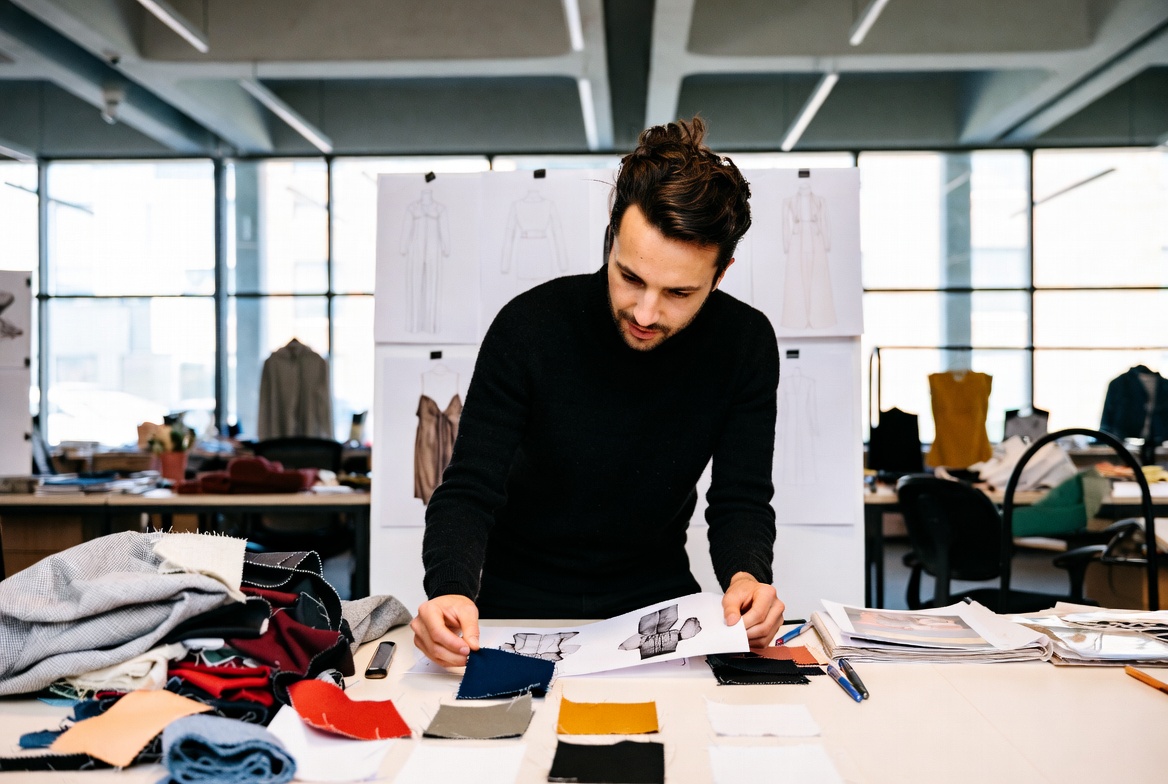
Alessandro Michele’s Valentino Transformation
Alessandro Michele’s haute couture debut at Valentino represented one of 2025’s most anticipated fashion moments. The former Gucci creative director brought his maximalist aesthetic to Valentino’s storied atelier, creating what industry observers called a watershed moment.
Michele approached his first couture collection through literary and philosophical lenses. In typical fashion, he referenced Homer, James Joyce, and Italo Calvino in extensive show notes, with each gown representing a “list” of words and influences. This intellectual framework elevated garments beyond mere clothing into conceptual statements.
The collection showcased extraordinary technical execution. Michele employed Valentino’s skilled artisans to create pieces featuring thousands of hand-applied embellishments, intricate beading, and complex textile manipulations. One standout look included a column skirt trimmed with tight rows of circular fabric, adding movement to an otherwise rigid silhouette.
Schiaparelli’s Ribbon Revolution
Daniel Roseberry’s Spring 2025 Schiaparelli collection explored duchess satin ribbons as primary source material. The creative director spent months studying historical couturiers including Madame Grès, Charles Frederick Worth, and Azzedine Alaïa, seeking to learn from rather than copy their techniques.
The collection featured what Roseberry termed “liquid deco”—snaky, curvy forms from the 1920s and 1930s realized in fragile silk georgette embroidered with Japanese bugle beads, then mounted onto French corset toile with dramatically sharp hip blades. One jacket required over 11,000 hours of labor from 42 artisans to complete its intricate beading.
Roseberry experimented with innovative techniques throughout. The atelier cut classic Schiaparelli blazers in Ultrasuede before overembroidering them with silk satin threadwork. Feathers received glycerin baths for weight, then keratin brushing for texture mimicking vintage Hollywood costumes.
Elie Saab’s Denim Innovation
Elie Saab made couture history with his Spring 2025 collection by introducing flowing denim evening gowns—a first in his illustrious career. Following his label’s 45th anniversary celebration in Riyadh, Saab returned to Paris with renewed creative energy.
The Lebanese designer elevated humble denim to eveningwear status through meticulous craftsmanship. His atelier applied the topstitching and finishes typically associated with selvedge jeans while transforming the fabric into sculptural, intricately beaded creations. This bold, innovative move showcased Saab’s ability to evolve while maintaining his signature opulence.
The collection also featured Saab’s signature florals rendered in appliqué, embroidery, and lace across sequined gowns, shawls, and voluminous capes. Feathered petals in pale pink and absinthe created dreamlike quality across crystal-encrusted designs.
Industry analysis from The Impression notes that Saab’s denim innovation represents more than aesthetic choice—it signals haute couture’s evolution toward unexpected materials while maintaining traditional craftsmanship standards.
Thom Browne’s Conceptual Approach
Thom Browne’s couture presentations consistently challenge expectations of what haute couture can be. His Fall/Winter 2024 collection at the Musée des Arts Décoratifs centered entirely on muslin toiles—the preliminary models typically hidden from public view.
Browne transformed these “works-in-progress” into finished garments, celebrating the creative process as destination rather than journey. The 48-piece collection included looks requiring thousands of hours of hand-basting between layers of horsehair, with one outfit demanding collaboration from 42 artisans.
While diverging from his signature gray flannel, Browne infused his tailoring expertise throughout. As he explained backstage, “The collection started with reintroducing what I want people to come to me for—and that is tailoring done in 64 different ways, 64 different shapes, proportions, lengths.”
His approach proved that haute couture remains flexible enough to accommodate conceptual fashion alongside traditional glamour, expanding definitions while respecting foundational principles.
Practical Implementation Guide: Understanding Couture Influence
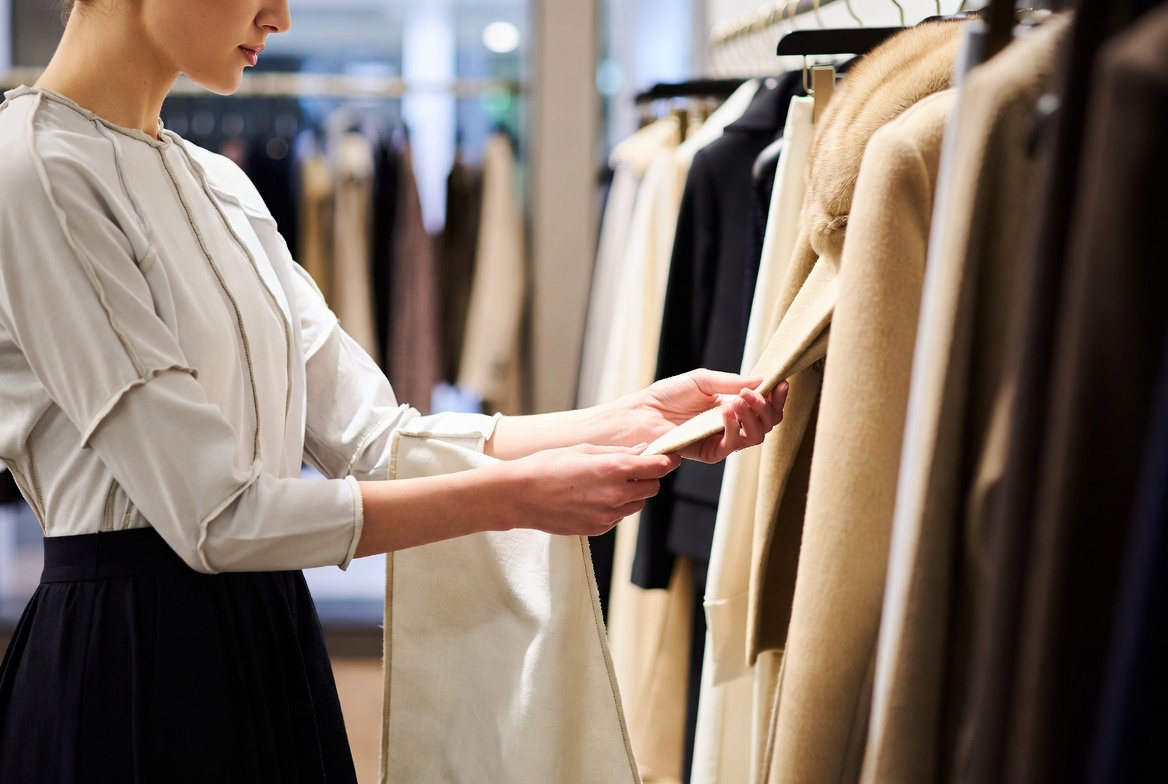
How Haute Couture Shapes Your Wardrobe
You might wonder how collections costing hundreds of thousands of dollars affect everyday fashion. Haute couture serves as fashion’s research and development laboratory, testing ideas that trickle down through ready-to-wear and eventually mass market.
The sheer fabric trend from Spring 2025 couture already appears in contemporary bridal collections and evening wear at accessible price points. Designers at brands like Reformation and BHLDN adapt these runway concepts using different fabrics and construction methods.
Corseted silhouettes influence ready-to-wear through integrated boning and strategic seaming that creates similar effects without custom fitting. Major retailers including Zara and Mango feature corset-inspired tops and dresses each season following couture presentations.
Architectural shoulders and exaggerated hips translate into structured blazers and peplum details across multiple market levels. These silhouette manipulations make clothing more distinctive while remaining wearable for various occasions.
Recognizing Quality Craftsmanship
Understanding haute couture teaches you to identify superior construction in any garment. Look for these indicators:
Hand-finishing details include French seams, hand-sewn hems, and carefully bound edges. Even ready-to-wear garments from quality brands incorporate some hand-finishing at closure points and stress areas.
Pattern matching across seams and pockets demonstrates careful construction. Stripes, plaids, and prints should align precisely, indicating attention to detail during cutting and sewing.
Fabric quality affects how garments drape and age. Natural fibers like silk, wool, and cotton generally outlast synthetics while developing beautiful patina over time. Couture showcases these materials at their finest.
Structural support through interfacing, lining, and hidden supports creates garments that maintain shape without looking stiff. Quality clothing incorporates appropriate weight interfacing matched to fabric and wearing conditions.
Embellishment security matters especially for beaded or embroidered pieces. Well-constructed garments feature embellishments attached with multiple anchor points rather than single threads, preventing loss during wear.
Building Your Fashion Knowledge
Developing couture literacy enhances your overall fashion understanding. Consider these approaches:
Follow collections online through official fashion week platforms like the Fédération de la Haute Couture et de la Mode website. These resources provide high-resolution imagery and designer statements explaining creative vision.
Study fashion history to understand references designers make in collections. Books from the Metropolitan Museum of Art Costume Institute and Victoria & Albert Museum offer authoritative perspectives.
Visit museum exhibitions when possible. Institutions including the Musée des Arts Décoratifs in Paris and the Fashion Institute of Technology in New York regularly present couture retrospectives allowing close examination of construction techniques.
Analyze styling choices in fashion photography and runway presentations. Understanding how stylists combine elements creates more sophisticated personal aesthetic.
Practice technical vocabulary for describing garments accurately. Terms like “princess seams,” “set-in sleeves,” and “bias cut” enable precise communication about construction and fit.
Essential Tools and Resources for Couture Enthusiasts
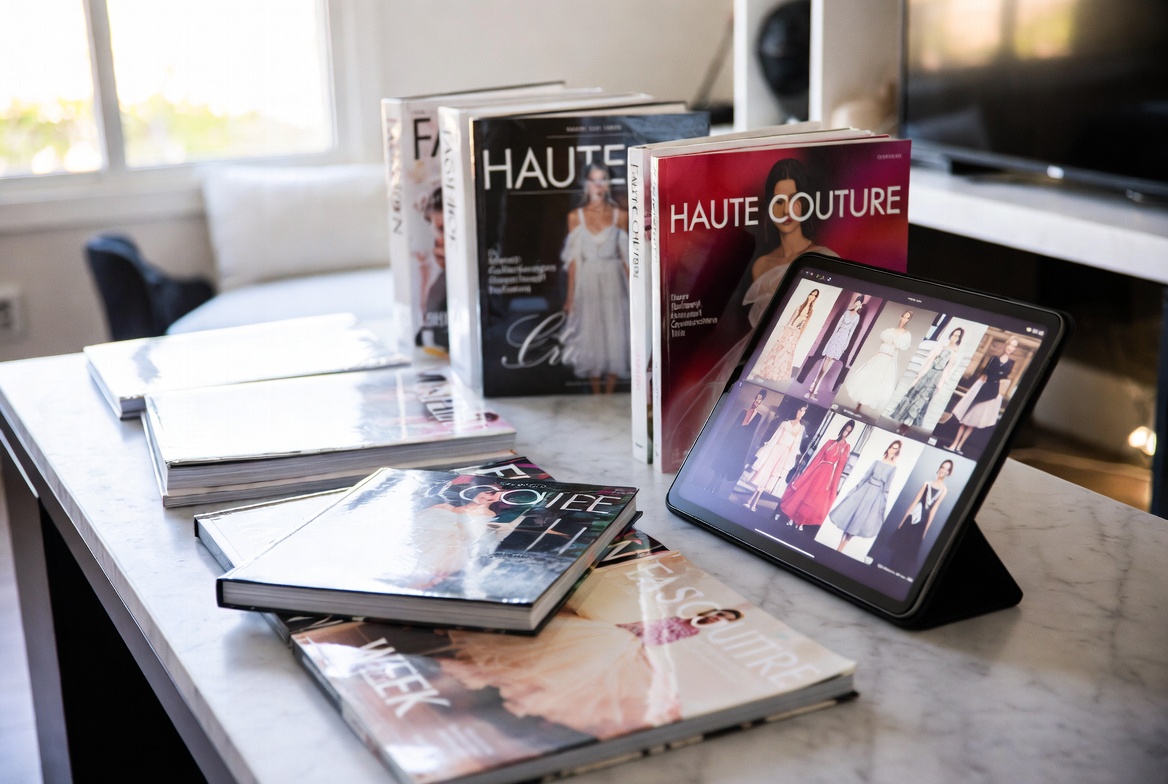
Digital Platforms
SHOWstudio provides comprehensive coverage of haute couture collections with high-quality imagery and critical analysis from industry experts. The platform archives complete runway presentations for historical reference.
Vogue Runway offers professional photography from major fashion weeks including detailed shots of each look. Their filtering system helps track specific designers, trends, and seasons efficiently.
The Fédération de la Haute Couture et de la Mode maintains the official haute couture calendar and member list. Their website confirms which houses hold official designation and upcoming presentation schedules.
Print Publications
Runway Magazine delivers in-depth couture coverage with technical analysis of construction methods and materials. Their editorial team includes industry veterans with decades of fashion week experience.
Harper’s Bazaar and Elle provide accessible haute couture coverage connecting runway trends to wearable fashion. These publications excel at translating couture concepts for broader audiences.
System Magazine and Vestoj offer academic perspectives on fashion culture, including scholarly examinations of haute couture’s role in contemporary society.
Educational Resources
The Chambre Syndicale de la Couture Parisienne operates schools teaching traditional couture techniques to next-generation artisans. While exclusive, their curriculum influences fashion education globally.
Coursera and Skillshare offer online courses covering fashion history, textile science, and design fundamentals. These platforms make fashion education accessible regardless of location.
YouTube channels from fashion critics including The Fashion Historian and Bliss Foster provide free education about construction techniques, historical context, and industry analysis.
Shopping Influences
While few can afford actual haute couture (pieces typically start around $50,000), understanding these collections informs better purchasing decisions at all price points. Net-a-Porter and Moda Operandi offer trunk shows featuring designer pieces inspired by couture collections at more accessible prices ($1,000-$15,000).
SSENSE and MatchesFashion curate contemporary designers whose work reflects couture influence while remaining wearable for modern lifestyles. These retailers employ fashion experts who can explain design references and construction quality.
Real-World Case Studies and Data
The Economic Impact of Haute Couture Week
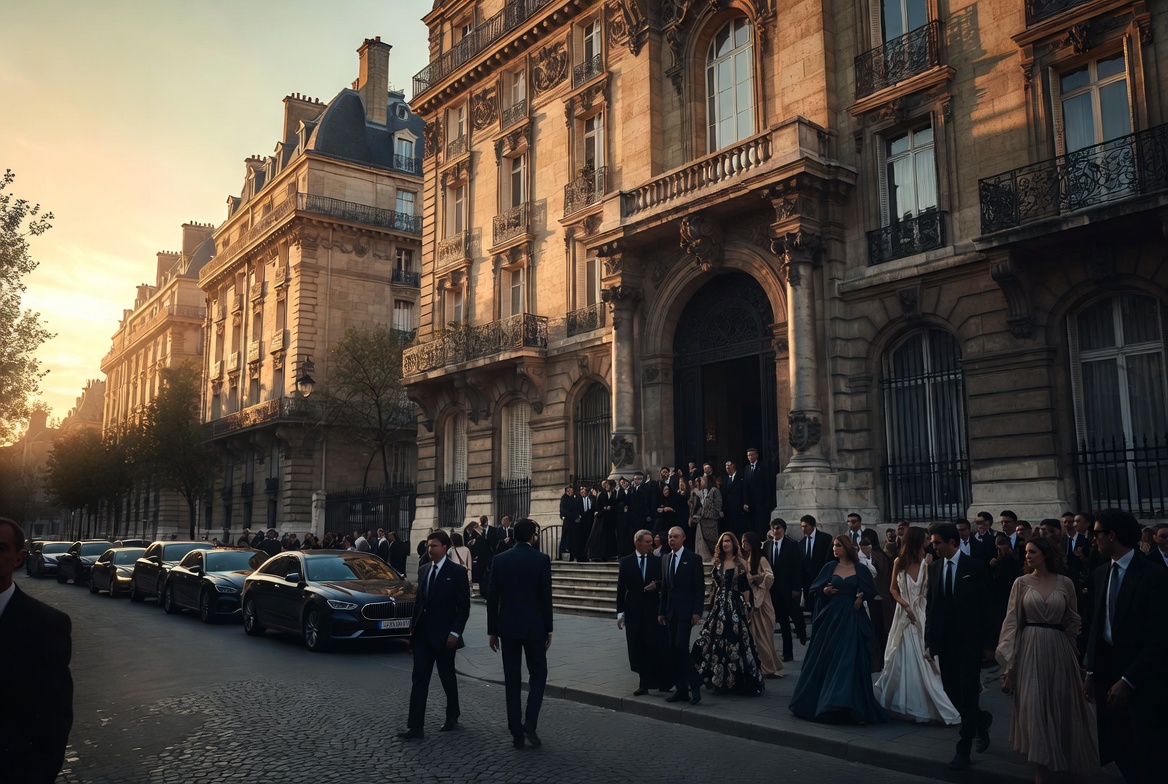
Paris Couture Week generates significant economic impact extending beyond direct garment sales. According to industry analysis, haute couture’s primary function has shifted from sales to brand building and marketing.
Chanel’s haute couture presentations, for example, generate global media coverage worth millions in equivalent advertising spend. The Spring 2025 show received over 500 million social media impressions within 48 hours of presentation, driving awareness for the brand’s ready-to-wear, accessories, and beauty products where actual profits occur.
Designer Career Trajectories
Alessandro Michele’s move to Valentino demonstrates how couture capabilities attract top creative talent. Michele specifically noted in interviews that Valentino’s established couture atelier influenced his decision to join the house. Access to skilled artisans capable of executing his most ambitious visions provided creative freedom impossible elsewhere.
Similarly, Daniel Roseberry’s transformation of Schiaparelli relied heavily on the house’s couture credentials. His increasingly ambitious presentations elevated Schiaparelli from heritage brand to fashion’s most discussed name within three years.
Client Demographics Evolution
Haute couture clientele expanded significantly during the 2020s. Traditional clients from European aristocracy and Middle Eastern royal families now share space with tech entrepreneurs, entertainment industry figures, and Asian luxury consumers.
Thom Browne reported booking 60 appointments over five days following his Fall/Winter 2024 debut—a strong indicator of client interest. As Browne noted backstage, “People appreciated the quality, and sometimes, quality is the most fashionable aspect of what I do.”
The client base also skews younger than historical averages. Millennials and Gen Z high-net-worth individuals increasingly invest in couture for major life events including weddings, significant birthdays, and red carpet appearances rather than building extensive couture wardrobes as previous generations did.
Sustainability Narratives
Haute couture’s slow fashion model gains relevance as consumers question fast fashion’s environmental impact. Made-to-measure garments designed for decades of wear represent sustainability’s highest expression, though rarely acknowledged in mainstream environmental fashion discourse.
Julie de Libran’s Fall 2025 couture collection specifically addressed sustainability by working with deadstock materials, “giving new life to things” according to the designer. This approach demonstrates how luxury fashion can model responsible production without sacrificing creativity or quality.
Key Takeaways and Next Steps
Haute couture 2025 reveals an art form balancing tradition with innovation. From Elie Saab’s groundbreaking denim evening wear to Alessandro Michele’s literary Valentino, designers prove that couture remains fashion’s most creative space.
The key insights from this year’s collections include:
- Technical innovation coexists with traditional craftsmanship, as demonstrated through Schiaparelli’s experimental techniques and Thom Browne’s conceptual toile presentation
- Unexpected materials elevate into luxury contexts, showing that creativity and execution matter more than conventional definitions of appropriate fabrics
- Silhouette experimentation drives fashion forward, with architectural shapes, exaggerated proportions, and historical references creating tomorrow’s trends
Understanding haute couture enhances your overall fashion literacy whether you ever purchase couture or not. These collections teach us to value quality craftsmanship, recognize superior construction, and appreciate fashion as artistic expression.
Your next step is developing your personal fashion perspective. Start following one or two couture houses whose aesthetic resonates with you. Study their collections across multiple seasons to understand their creative evolution. This focused approach builds deeper appreciation than attempting to track everything simultaneously.
Ready to deepen your couture knowledge? Explore individual designer archives, attend local fashion exhibitions when available, or invest in one quality piece demonstrating superior construction. Fashion appreciation begins with understanding the difference between adequate and exceptional—and haute couture shows us what exceptional looks like.
FAQ
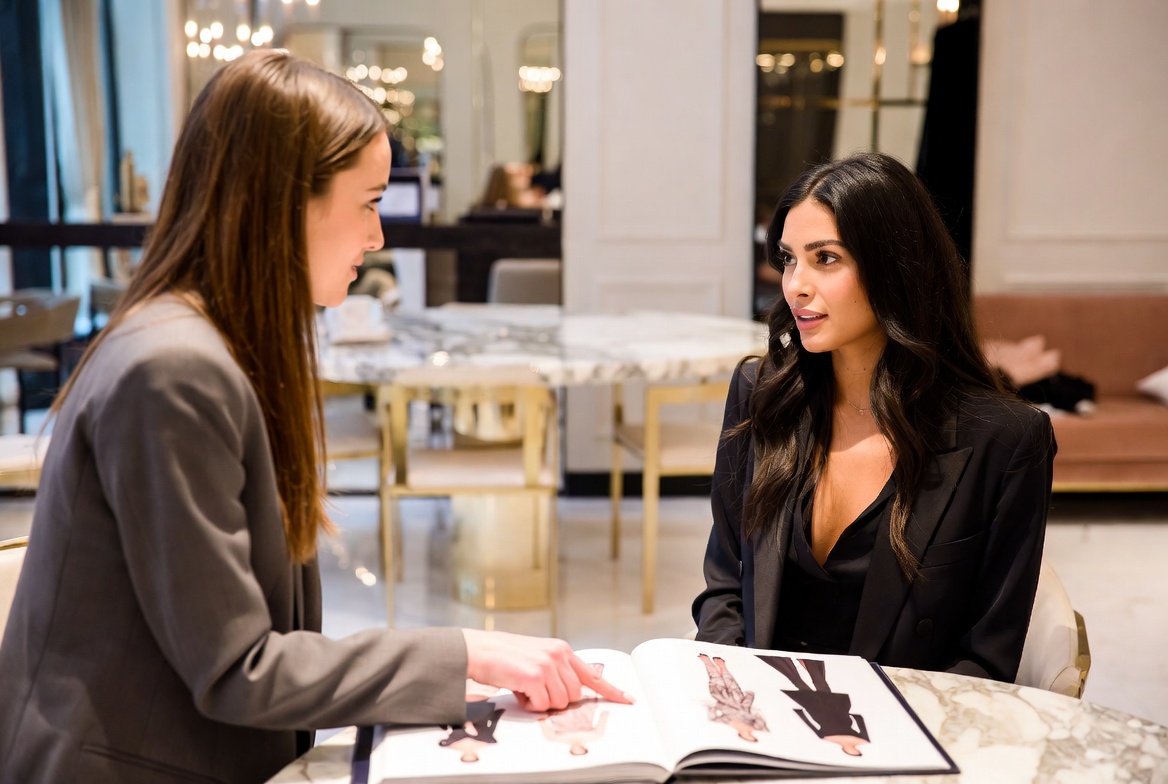
Haute couture is the creation of exclusive custom-fitted clothing, defined legally in France and protected by the Chambre Syndicale de la Haute Couture. Houses must meet strict criteria including maintaining Paris ateliers with full-time skilled artisans and presenting collections twice yearly during designated fashion weeks.
Haute couture garments typically start around $50,000 for simpler pieces and can exceed $500,000 for elaborate gowns requiring thousands of hours of handwork. Prices reflect labor-intensive construction, rare materials, and exclusive nature of having garments made specifically for individual clients.
Haute couture clients include celebrities for red carpet events, royalty, ultra-high-net-worth individuals, and fashion collectors. The customer base has diversified beyond traditional European aristocracy to include tech entrepreneurs, Asian luxury consumers, and younger fashion enthusiasts investing in significant pieces for special occasions.
Haute couture is custom-made for individual clients through multiple fittings, while ready-to-wear is produced in standard sizes for broader retail sale. Haute couture involves significantly more handwork, taking hundreds to thousands of hours per garment versus the mechanized production of ready-to-wear.
Simple haute couture pieces require approximately 100-200 hours, while elaborate gowns demand 1,000-3,000 hours or more. Schiaparelli’s Spring 2025 collection included pieces requiring over 11,000 hours from teams of specialized artisans working together.
Haute couture serves as fashion’s research laboratory, testing innovative techniques, materials, and silhouettes that influence all fashion levels. Collections also preserve traditional handcraft techniques, employ skilled artisans, and maintain fashion as an art form rather than purely commercial enterprise.