Staring at your closet wondering what to wear as seasons change? Most women struggle with seasonal transitions, buying too much for one season while neglecting others.
What if you could create a year-round wardrobe that adapts effortlessly to every season, keeping you comfortable, stylish, and prepared for any weather?
- Why Seasonal Wardrobe Planning Matters
- Spring Wardrobe Essentials (March-May)
- Summer Wardrobe Essentials (June-August)
- Autumn Wardrobe Essentials (September-November)
- Winter Wardrobe Essentials (December-February)
- Transition Period Strategies
- Capsule Seasonal Wardrobes
- Budget Seasonal Planning
- Conclusion: Master Year-Round Style
- Faq
This comprehensive seasonal wardrobe guide reveals exactly what to wear throughout the year, from spring florals to winter layers, with practical tips for transitioning between seasons without constant shopping.
What you’ll discover:
- Essential pieces for each season
- Layering strategies for temperature changes
- Color palettes by season
- Capsule wardrobe planning
- Budget-friendly seasonal shopping
- Transition outfit formulas
Let’s build your perfect year-round wardrobe!
Why Seasonal Wardrobe Planning Matters
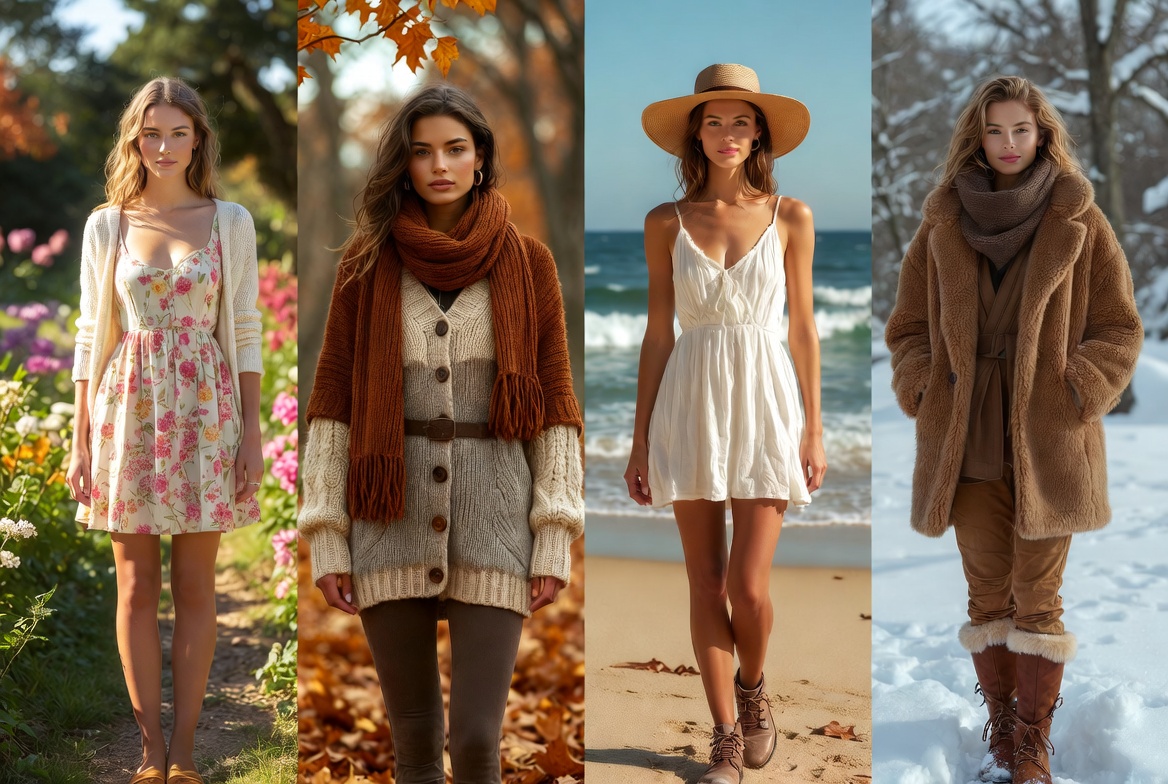
Seasonal dressing isn’t just about following fashion trends – it’s about comfort, practicality, and style appropriate for weather conditions.
The Science of Seasonal Dressing
Your body responds to temperature changes throughout the year. Wearing season-appropriate clothing:
- Regulates body temperature efficiently
- Prevents discomfort from overheating or freezing
- Protects skin from seasonal elements
- Boosts mood through seasonal color psychology
- Maximizes wardrobe usage across 12 months
Common Seasonal Wardrobe Mistakes
Most women make these errors:
❌ Buying too much for favorite season ❌ Neglecting transition periods between seasons ❌ Storing everything making daily dressing chaotic ❌ Following trends over weather-appropriate choices ❌ Forgetting layering for unpredictable days
Strategic seasonal planning eliminates these problems while reducing spending and closet clutter.
The Capsule Seasonal Approach
Rather than owning hundreds of pieces, a seasonal capsule wardrobe includes:
- 15-25 pieces per season
- Mix-and-match coordination
- Transitional overlap items
- Weather-appropriate fabrics
- Versatile color palettes
This approach creates endless outfit combinations while maintaining an organized, functional wardrobe.
Spring Wardrobe Essentials (March-May)
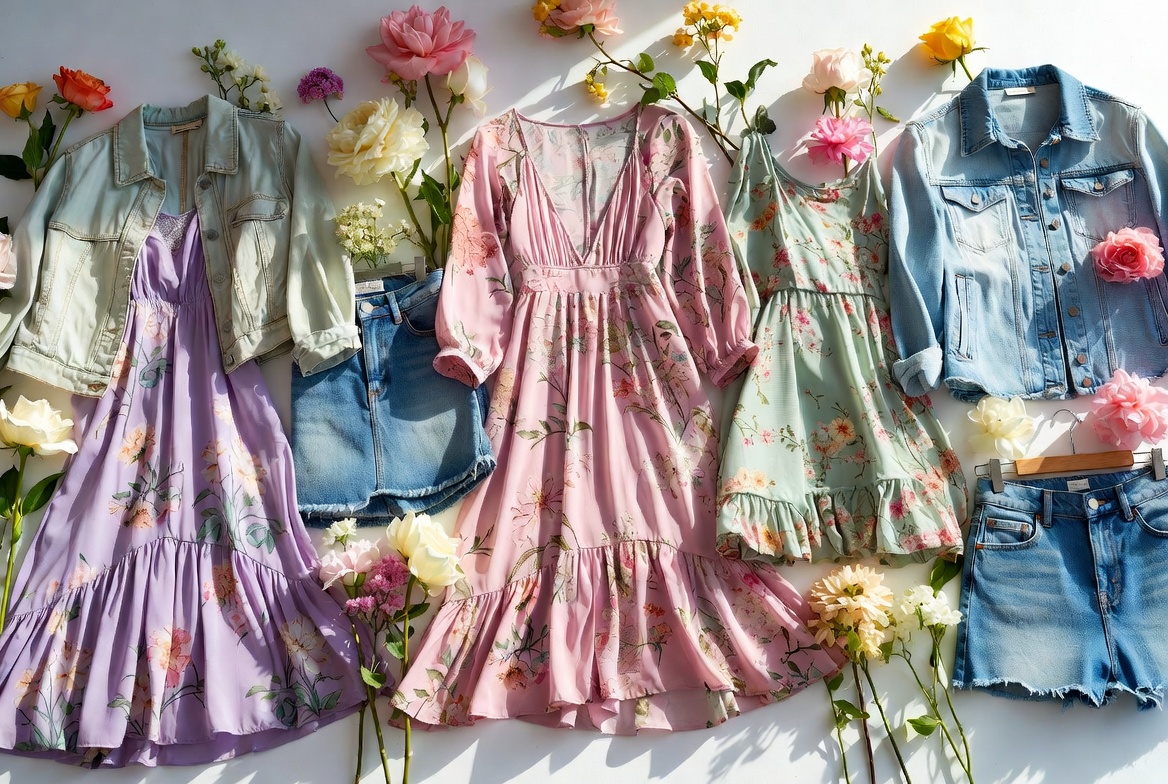
Spring fashion celebrates renewal with lighter fabrics, fresh colors, and layering flexibility for unpredictable weather.
Spring Weather Challenges
Spring brings temperature fluctuations:
- Cool mornings (10-15°C)
- Warm afternoons (18-22°C)
- Unexpected rain showers
- Windy days
- Bright sunny moments
Smart layering is your spring survival strategy.
Essential Spring Pieces (15-20 Items)
Tops:
- 3 lightweight sweaters (cashmere blend, cotton knit)
- 2 long-sleeve tees (striped, solid neutrals)
- 2 blouses (silk-touch, cotton)
- 1 denim jacket (classic blue wash)
- 1 trench coat (beige or navy)
Bottoms:
- 2 jeans (light wash, dark wash)
- 1 ankle-length trousers (neutral color)
- 2 midi skirts (A-line, pleated)
- 1 white pants (cotton or linen blend)
Dresses:
- 2 floral dresses (midi length, maxi length)
- 1 shirt dress (cotton, denim)
- 1 wrap dress (solid color)
Outerwear:
- 1 lightweight trench coat
- 1 denim jacket
- 1 cardigan (longline style)
Spring Color Palette
Primary Colors:
- Soft pastels: blush pink, mint green, lavender
- Fresh whites and cream
- Light blues and sky blue
- Warm beige and sand
Accent Colors:
- Coral and peach
- Butter yellow
- Sage green
- Powder blue
Expert Tip: Spring colors should feel light, fresh, and optimistic – think blooming flowers and clear skies.
Spring Outfit Formulas
Morning Cool, Afternoon Warm:
Base: Light sweater + jeans
Layer: Denim jacket
Remove jacket by noon
Rainy Spring Day:
Floral dress + ankle boots + trench coat
Swap boots for sneakers when dry
Office Spring Style:
Blouse + ankle trousers + cardigan
Blazer alternative for meetings
Weekend Casual:
Striped tee + white pants + denim jacket
Comfortable yet pulled-together
Spring Fabric Guide
Best Fabrics:
- Cotton (breathable, comfortable)
- Linen blends (cool, sophisticated)
- Light wool (transitional warmth)
- Chambray (casual, versatile)
- Jersey knit (stretchy, packable)
Avoid:
- Heavy winter wools
- Synthetic fabrics causing sweat
- Thick fleece materials
Spring Shopping Strategy
Budget Allocation (£80 total):
- Trench coat: £35 (investment piece)
- Floral dresses: £25 (2 dresses on sale)
- Basics: £20 (tees, tank tops)
Where to Shop:
- Zara: Perfect spring floral dresses (£25-40)
- H&M: Affordable basics and knitwear (£8-20)
- Mango: Quality trench coats (£60-90)
Summer Wardrobe Essentials (June-August)
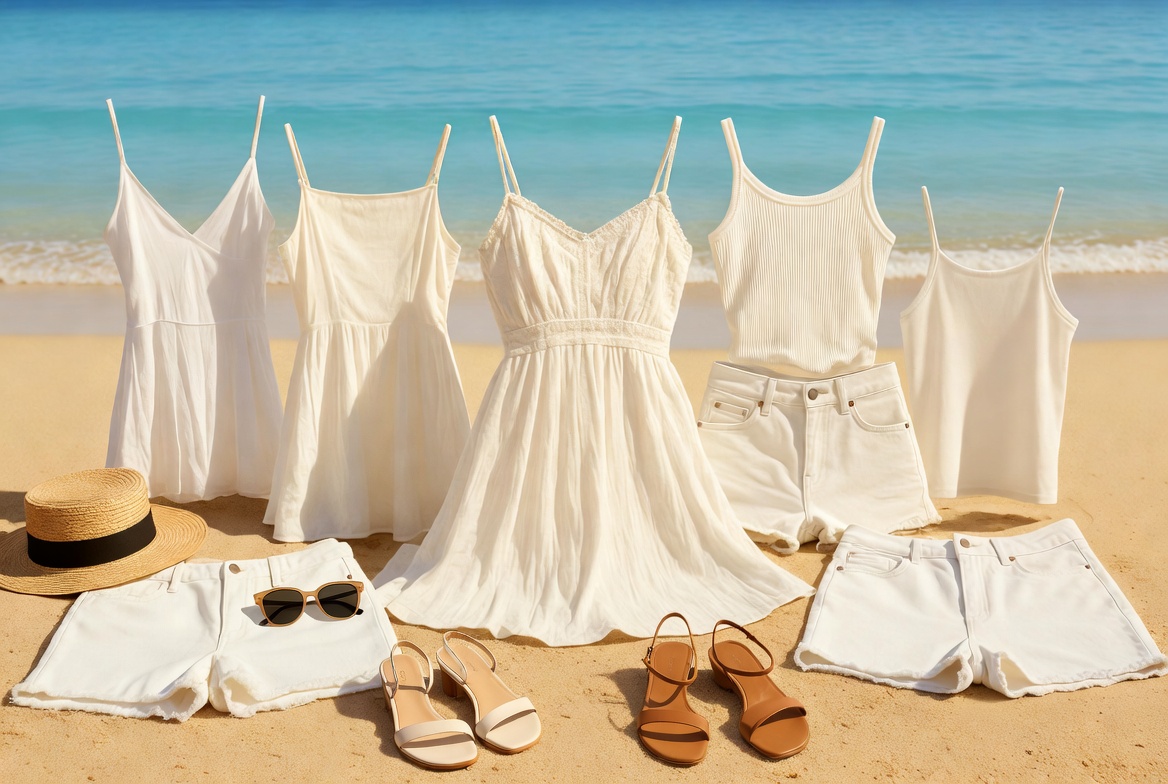
Summer fashion prioritizes breathability, lightness, and minimal layering for maximum heat comfort.
Summer Weather Reality
Summer means consistent warmth:
- Hot days (25-35°C)
- High humidity
- Intense sun exposure
- Evening coolness (optional light layer)
- Air-conditioned indoor spaces
Heat management drives all summer wardrobe decisions.
Essential Summer Pieces (15-18 Items)
Tops:
- 4 tank tops (white, black, neutral, colored)
- 2 crop tops (fitted, flowy)
- 2 lightweight blouses (sleeveless, short-sleeve)
- 1 linen shirt (oversized, breathable)
Bottoms:
- 2 shorts (denim, tailored)
- 1 white skirt (mini or midi)
- 1 linen pants (wide-leg, palazzo)
- 1 denim skirt (versatile length)
Dresses:
- 3 summer dresses (maxi, midi, mini)
- 1 slip dress (satin-feel, versatile)
- 1 t-shirt dress (casual comfort)
Lightweight Layer:
- 1 linen blazer (for air-conditioned spaces)
- 1 lightweight kimono (beach cover-up, evening layer)
Summer Color Palette
Primary Colors:
- Pure white (reflects heat)
- Bright colors: coral, turquoise, sunshine yellow
- Nautical navy and white stripes
- Natural beige and sand tones
Accent Colors:
- Hot pink and fuchsia
- Lime green
- Electric blue
- Tangerine orange
Color Psychology: Bright summer colors boost mood and energy during long sunny days.
Summer Outfit Formulas
Beach to Lunch:
Bikini + slip dress + sandals
Add kimono for coverage
Swap sandals for espadrilles
Hot City Day:
Linen pants + tank top + sandals
Lightweight tote with water bottle
Sunglasses essential
Summer Date Night:
Slip dress + strappy heels + clutch
Minimal jewelry (heat friendly)
Light cardigan for restaurant AC
Casual Weekend:
Denim shorts + crop top + sneakers
Straw hat + crossbody bag
Comfortable and cute
Summer Fabric Guide
Best Fabrics:
- Linen (most breathable natural fiber)
- Cotton (absorbs moisture)
- Rayon/Viscose (cool, flowy)
- Chambray (lighter than denim)
- Seersucker (textured, cooling)
Avoid:
- Polyester (traps heat)
- Heavy denim
- Synthetic blends
- Dark colors in direct sun
Summer Survival Tips
Heat Management:
- Choose loose-fitting over tight
- Prioritize natural fabrics
- Wear light colors reflecting sun
- Keep spare tank in bag for sweat changes
- Breathable undergarments matter
Sun Protection:
- Wide-brim hats protect face
- Sunglasses reduce eye strain
- Light long sleeves prevent burns
- UV-protective fabrics when possible
Summer Shopping Strategy
Budget Allocation (£70 total):
- Summer dresses: £30 (3 dresses on sale)
- Linen pieces: £25 (pants or shirt)
- Basics: £15 (tank tops, shorts)
Where to Shop:
- H&M: Best value summer basics (£5-15)
- Zara: Trendy summer dresses (£20-35)
- Mango: Quality linen pieces (£30-50)
Autumn Wardrobe Essentials (September-November)
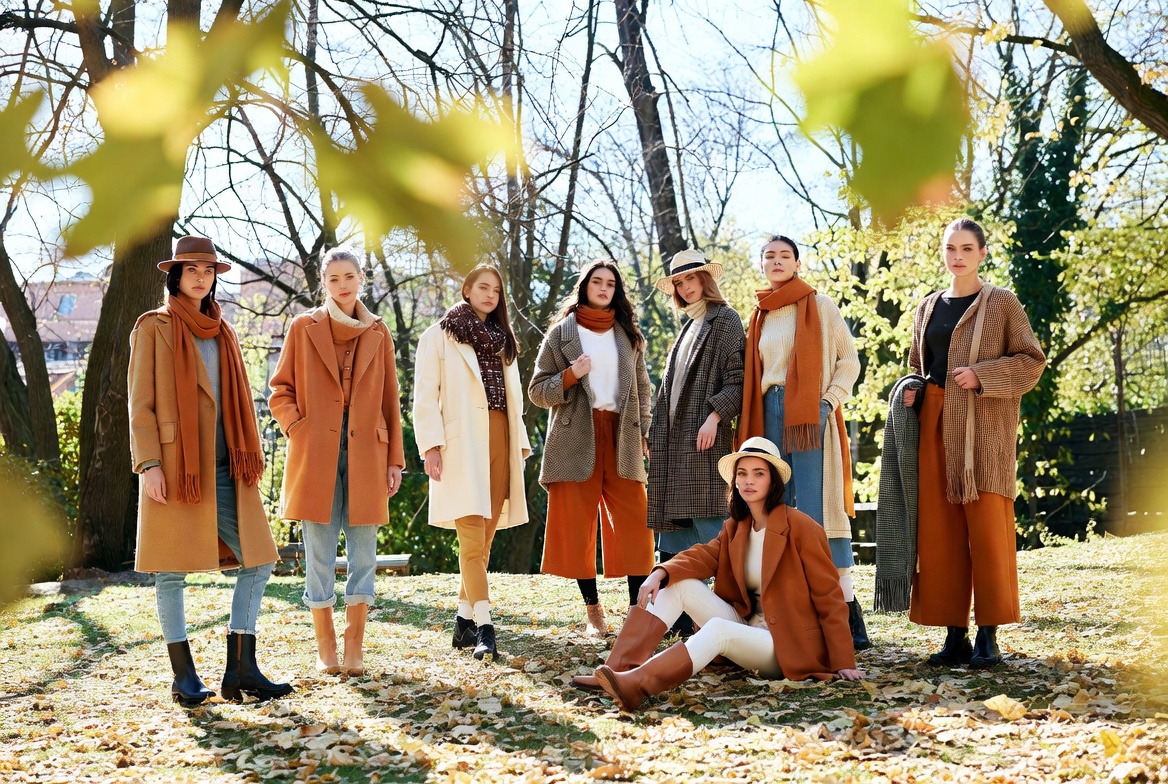
Autumn fashion celebrates layering mastery, rich colors, and transitional dressing as temperatures drop.
Autumn Weather Dynamics
Autumn brings gradual cooling:
- Crisp mornings (10-15°C)
- Mild afternoons (15-20°C)
- Cooler evenings (8-12°C)
- Unpredictable rain
- First frost approaching
Strategic layering becomes essential.
Essential Autumn Pieces (20-25 Items)
Tops:
- 3 sweaters (crew neck, V-neck, turtleneck)
- 2 long-sleeve tees (basic layering)
- 2 button-down shirts (flannel, cotton)
- 2 cardigans (mid-length, longline)
Bottoms:
- 2 jeans (dark wash, black)
- 2 trousers (wool blend, corduroy)
- 1 midi skirt (suede-feel, knit)
- 1 leather-look pants (trend piece)
Dresses:
- 2 sweater dresses (knit, bodycon)
- 1 midi dress (long-sleeve)
- 1 shirt dress (layering piece)
Outerwear:
- 1 blazer (structured, wool-blend)
- 1 leather jacket (faux or real)
- 1 light coat (wool, trench)
- 1 denim jacket (transition from spring)
Accessories:
- 2 scarves (lightweight, chunky)
- 1 ankle boots (versatile neutral)
- 1 knee-high boots (statement piece)
Autumn Color Palette
Primary Colors:
- Rich earth tones: rust, terracotta, ochre
- Deep burgundy and wine
- Forest green and olive
- Warm browns and camel
- Burnt orange and mustard
Neutral Base:
- Charcoal gray
- Cream and ivory
- Chocolate brown
- Navy
Psychology: Warm autumn colors create cozy, grounded feelings matching the season’s energy.
Autumn Outfit Formulas
The Three-Layer System:
Layer 1: Long-sleeve tee (base)
Layer 2: Sweater or cardigan (insulation)
Layer 3: Jacket or coat (protection)
Office Autumn:
Button-down + sweater vest + trousers + ankle boots
Remove sweater vest if office is warm
Add blazer for meetings
Weekend Cozy:
Sweater dress + tights + knee boots + scarf
Perfect for café, shopping, strolling
Autumn Date Night:
Silk blouse + leather pants + heels + leather jacket
Remove jacket indoors
Sophisticated and seasonal
Rainy Autumn Day:
Jeans + turtleneck + trench + ankle boots
Waterproof outerwear essential
Layers underneath for warmth
Autumn Fabric Guide
Best Fabrics:
- Wool blends (warm, structured)
- Cashmere (luxury warmth)
- Corduroy (textured, cozy)
- Suede (autumn texture)
- Flannel (soft, warm)
- Knit fabrics (sweater materials)
Layering Fabrics:
- Cotton base layers
- Wool middle layers
- Weather-resistant outer layers
Autumn Layering Mastery
The Temperature-Adaptable Formula:
Morning (cold): Base + sweater + coat + scarf Midday (warmer): Remove coat, keep sweater Evening (cold again): Add coat back
Indoor/Outdoor Strategy:
- Wear removable layers (cardigans, blazers)
- Choose versatile pieces working alone or layered
- Keep lightweight scarf in bag
Autumn Shopping Strategy
Budget Allocation (£90 total):
- Quality coat: £40 (investment piece)
- Sweaters: £25 (2-3 pieces)
- Boots: £25 (ankle or knee-high)
Where to Shop:
- Mango: Excellent autumn coats (£60-100)
- Zara: Trendy autumn pieces (£20-50)
- H&M: Affordable autumn basics (£10-30)
Winter Wardrobe Essentials (December-February)
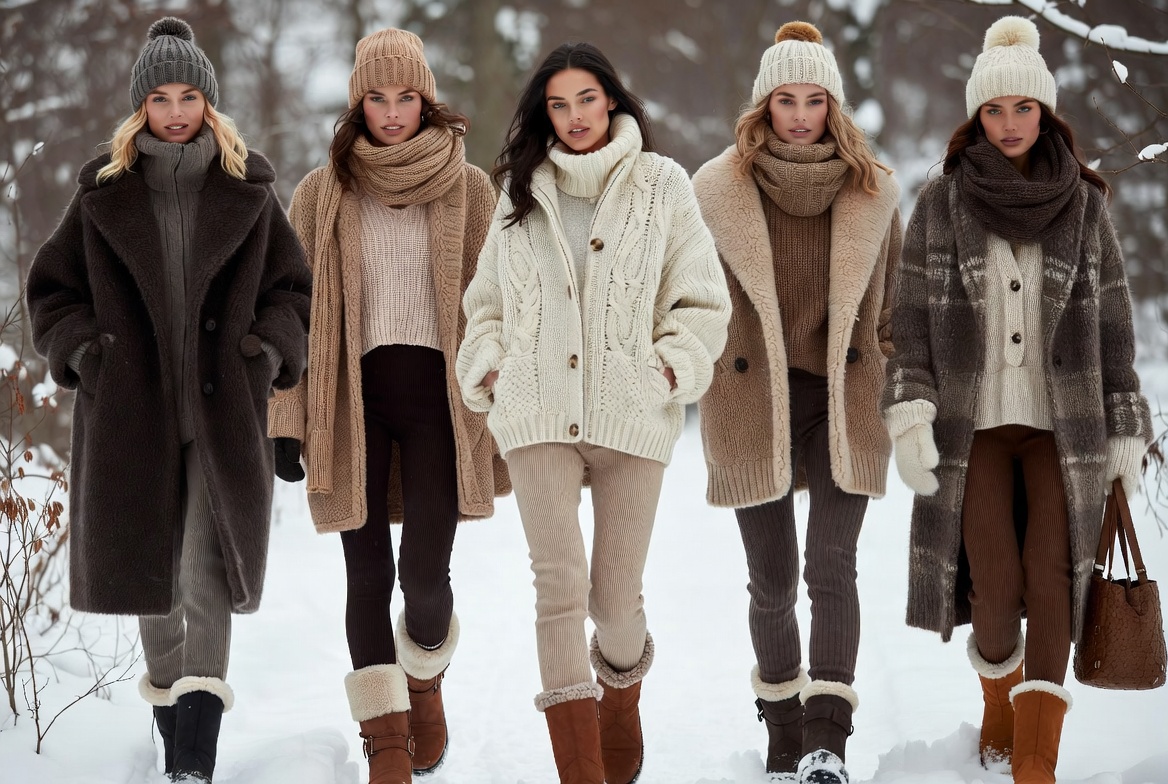
Winter fashion balances maximum warmth with style, requiring strategic insulation and weather protection.
Winter Weather Challenges
Winter means serious cold:
- Freezing temperatures (0-10°C)
- Wind chill factor
- Snow and ice
- Dark early evenings
- Indoor heating contrast
Warmth without bulk is the winter styling goal.
Essential Winter Pieces (20-25 Items)
Tops:
- 4 sweaters (chunky knit, turtleneck, cashmere, wool)
- 3 long-sleeve thermal tops (base layers)
- 2 turtlenecks (thin, chunky)
- 2 flannel shirts (layering pieces)
Bottoms:
- 2 jeans (thicker denim)
- 2 thermal leggings (fleece-lined)
- 2 wool trousers (formal, casual)
- 1 corduroy pants (texture, warmth)
Dresses:
- 2 sweater dresses (thick knit)
- 1 long-sleeve midi dress (layering with tights)
Outerwear:
- 1 wool coat (classic investment)
- 1 puffer jacket (practical warmth)
- 1 faux fur coat (statement piece)
- 2 cardigans (extra layers)
Essential Accessories:
- 1 warm scarf (wool, cashmere)
- 1 beanie or winter hat
- 1 gloves (leather, wool)
- 1 knee-high boots (insulated)
- 1 snow boots (if needed)
Winter Color Palette
Primary Colors:
- Deep jewel tones: emerald, sapphire, ruby
- Rich burgundy and plum
- Classic black and charcoal
- Navy and midnight blue
- Forest green
Accent Colors:
- Cream and ivory
- Camel and tan
- Silver gray
- Festive red
Seasonal Strategy: Dark rich colors absorb heat and create visual warmth against winter’s cold palette.
Winter Outfit Formulas
The Four-Layer System:
Layer 1: Thermal base (invisible warmth)
Layer 2: Turtleneck or sweater (insulation)
Layer 3: Cardigan or vest (extra warmth)
Layer 4: Coat or puffer (weather protection)
Freezing Outdoor Day:
Thermal base + chunky sweater + wool coat + scarf + gloves + boots
Maximum warmth for extended outdoor time
Office Winter:
Thermal top + sweater dress + tights + ankle boots + cardigan
Remove cardigan if office is overheated
Add blazer for professional polish
Elegant Winter Evening:
Silk blouse + wool trousers + statement coat + heeled boots
Dress warmly without sacrificing style
Casual Weekend:
Thermal leggings + oversized sweater + puffer jacket + sneakers + beanie
Comfortable warmth for errands
Winter Fabric Guide
Best Fabrics:
- Wool (natural insulation)
- Cashmere (lightweight warmth)
- Fleece (synthetic warmth)
- Down (puffer filling)
- Thermal knits (moisture-wicking base)
- Sherpa (cozy texture)
Technical Fabrics:
- Water-resistant outer layers
- Wind-blocking materials
- Insulated boot linings
Winter Survival Strategies
Stay Warm Without Bulk:
- Thermal base layers provide invisible warmth
- Fitted under, loose over maintains silhouette
- Quality materials (wool, cashmere) warm more efficiently
- Strategic accessories (scarves, gloves) protect extremities
Indoor/Outdoor Balance:
- Removable layers adjust to heated indoor spaces
- Transitional pieces (cardigans) work everywhere
- Coat check or tote bag for coat storage
Winter Shopping Strategy
Budget Allocation (£120 total):
- Wool coat: £60 (major investment)
- Thermal layers: £20 (multiple pieces)
- Chunky sweaters: £25 (2-3 pieces)
- Accessories: £15 (scarf, gloves, hat)
Where to Shop:
- Marks & Spencer: Quality wool coats (£80-150)
- Uniqlo: Best thermal base layers (£15-30)
- Zara: Stylish winter pieces (£25-60)
Transition Period Strategies
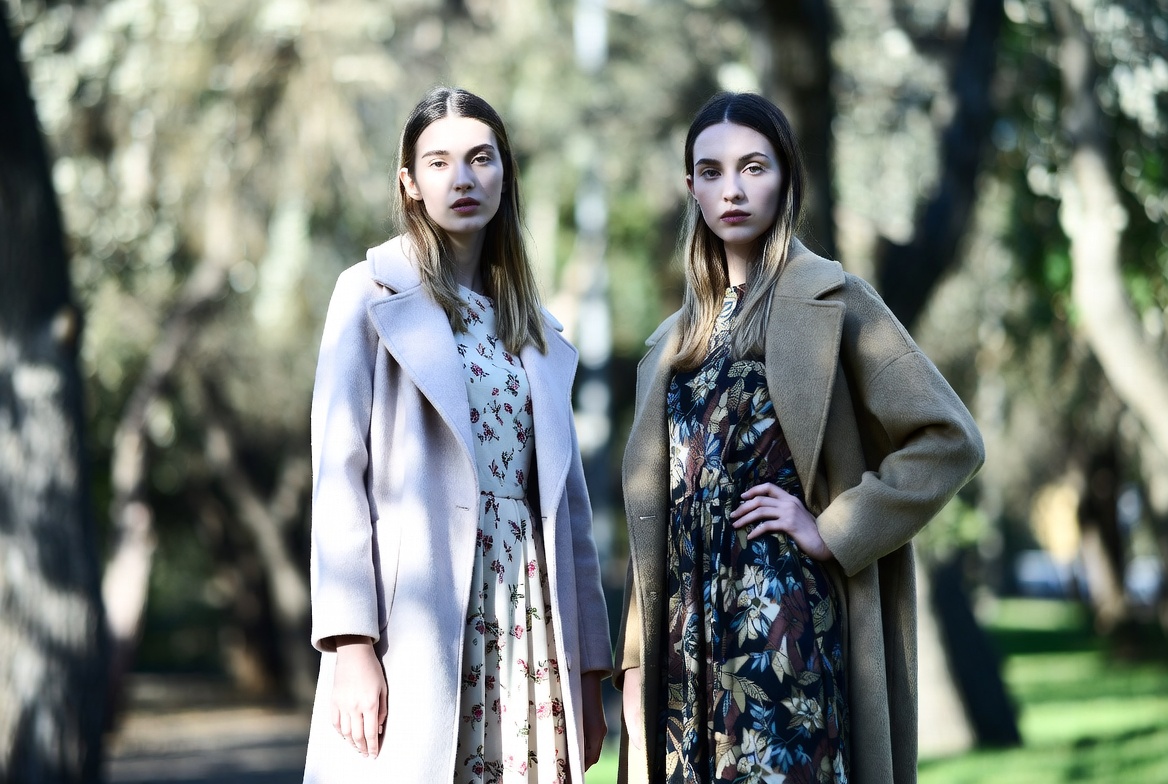
Seasonal transitions (spring-summer, autumn-winter) require smart styling to bridge temperature gaps.
Spring to Summer Transition (May-June)
Temperature Range: 15-25°C with unpredictability
Transition Pieces:
- Denim jacket over summer dresses
- Lightweight cardigans with shorts
- Long-sleeve tees under tank tops
- Midi skirts instead of minis or maxis
Styling Strategy: Start with light summer pieces, add removable spring layers, adjust throughout day.
Summer to Autumn Transition (August-September)
Temperature Range: 18-25°C gradually cooling
Transition Pieces:
- Summer dresses with ankle boots
- Shorts with lightweight sweaters
- Tank tops under blazers
- Light scarves adding autumn vibe
Color Shift: Introduce autumn colors while maintaining summer silhouettes.
Autumn to Winter Transition (November-December)
Temperature Range: 5-15°C with first frost
Transition Pieces:
- Autumn coats with winter scarves
- Sweaters with thermal underneath
- Boots transitioning to winter boots
- Add layers progressively
Gradual Approach: Don’t jump to heavy winter wear immediately – layer autumn pieces first.
Winter to Spring Transition (February-March)
Temperature Range: 5-15°C with warming trend
Transition Pieces:
- Light coats replacing heavy winter coats
- Lighter sweaters replacing chunky knits
- Remove thermal base on milder days
- Introduce spring colors gradually
Psychological Shift: Lighter colors signal spring even while temperatures remain cool.
Capsule Seasonal Wardrobes
A capsule wardrobe approach maximizes outfits while minimizing pieces.
Spring Capsule (15 Pieces)
Color Palette: Pastels, neutrals, light blues
The 15 Pieces:
- Trench coat (beige)
- Denim jacket (classic blue)
- 3 Tops (white tee, striped tee, blouse)
- 2 Sweaters (neutral, pastel)
- 2 Jeans (light, dark wash)
- 1 Midi skirt (neutral)
- 2 Dresses (floral, solid)
- 1 Cardigan (longline)
- 1 Ankle boots
- 1 Sneakers
Outfit Combinations: 30+ possible outfits
Summer Capsule (15 Pieces)
Color Palette: Whites, brights, nauticals
The 15 Pieces:
- 4 Tank tops (white, black, 2 colors)
- 2 Shorts (denim, tailored)
- 1 Linen pants (white or neutral)
- 3 Dresses (maxi, midi, slip)
- 1 Denim skirt
- 1 Lightweight blazer
- 1 Sandals (neutral)
- 1 Espadrilles
- 1 Crossbody bag
Outfit Combinations: 25+ possible outfits
Autumn Capsule (20 Pieces)
Color Palette: Earth tones, burgundy, olive
The 20 Pieces:
- Wool coat (camel)
- Leather jacket (black)
- Blazer (neutral)
- 3 Sweaters (various styles)
- 2 Long-sleeve tees
- 2 Button-downs
- 2 Jeans (dark washes)
- 2 Trousers (wool blend)
- 2 Sweater dresses
- 1 Midi skirt
- 1 Ankle boots
- 1 Scarf
Outfit Combinations: 40+ possible outfits
Winter Capsule (20 Pieces)
Color Palette: Jewel tones, blacks, deep colors
The 20 Pieces:
- Wool coat (black or navy)
- Puffer jacket (practical)
- 4 Sweaters (chunky, turtleneck, cashmere, wool)
- 3 Thermal base layers
- 2 Jeans (thicker denim)
- 2 Wool trousers
- 2 Sweater dresses
- 2 Cardigans
- 1 Knee-high boots
- 1 Scarf, gloves, hat set
Outfit Combinations: 35+ possible outfits
Budget Seasonal Planning

Strategic seasonal shopping prevents overspending while ensuring complete wardrobes.
Annual Wardrobe Budget Strategy
Total Annual Budget: £360 (£30/month)
Seasonal Allocation:
- Spring: £70 (lighter pieces, lower cost)
- Summer: £60 (minimal clothing, less fabric)
- Autumn: £90 (quality layering pieces)
- Winter: £120 (investment coats, expensive items)
- Accessories: £20 (distributed across year)
Sale Shopping Calendar
Best Times to Buy:
January Sales (50-70% off):
- Buy: Winter coats, boots, sweaters
- Save: 60% on winter essentials
July Sales (40-60% off):
- Buy: Summer dresses, sandals, lightweight pieces
- Save: 50% on summer wardrobe
Black Friday (November):
- Buy: Basics in bulk, winter accessories
- Save: 30-50% on staples
Mid-Season Sales:
- Buy: Transition pieces at 20-30% off
- Stock up on versatile items
Cost-Per-Wear Thinking
Investment Pieces:
- £90 wool coat ÷ 150 wears = £0.60/wear (excellent value)
- £30 summer dress ÷ 10 wears = £3.00/wear (good value)
- £15 trendy top ÷ 3 wears = £5.00/wear (poor value)
Smart Spending: Invest in high-frequency items, save on occasional pieces.
Conclusion: Master Year-Round Style
AI Image Prompt: “Confident woman surrounded by seasonal outfit options, organized wardrobe visible, natural lighting, empowering lifestyle photography, 8K quality”
Mastering seasonal wardrobe planning transforms your relationship with clothes. Instead of constant shopping and closet chaos, you’ll have an organized, functional wardrobe serving you perfectly throughout the year.
Your Seasonal Action Plan
This Month:
- Assess current season’s wardrobe gaps
- Identify 15-20 essential pieces for current season
- Donate clothes not worn last season
- Create capsule collection for current weather
Next Three Months:
- Shop strategically for next season’s essentials
- Watch for sales on seasonal pieces
- Practice layering techniques during transitions
- Build complete outfits mentally before buying
This Year:
- Complete all four seasonal capsules
- Master transition period styling
- Reduce overall wardrobe by 30%
- Increase outfit satisfaction by 100%
Remember: Seasonal dressing isn’t about following fashion rules – it’s about feeling comfortable, confident, and prepared for whatever weather brings.
💬 Comment: What’s your favorite season to dress for?
📌 Save this guide for year-round reference
🔗 Read Next:
📧 Follow for seasonal outfit inspiration delivered monthly
Share with friends who need seasonal styling help!
Faq
A functional seasonal capsule requires 15-25 pieces per season, creating 30-50+ outfit combinations through strategic mixing and matching.
Transition gradually rather than all at once. Start switching when temperatures consistently change for 7-10 days, keeping transition pieces accessible.
Yes! Layer summer dresses over turtlenecks with tights and boots. Slip dresses become winter-appropriate with proper layering underneath and coats over.
Neutral colors (black, white, navy, beige, gray) work year-round. Adjust fabric weight and layering rather than colors for seasonal appropriateness.
Clean thoroughly, store in breathable containers, use cedar balls for protection, vacuum-seal bulky items, rotate seasonally, donate unworn pieces annually.
Buy 1-2 trend pieces per season maximum, investing primarily in timeless classics that work across multiple years and seasons.